 Pin It
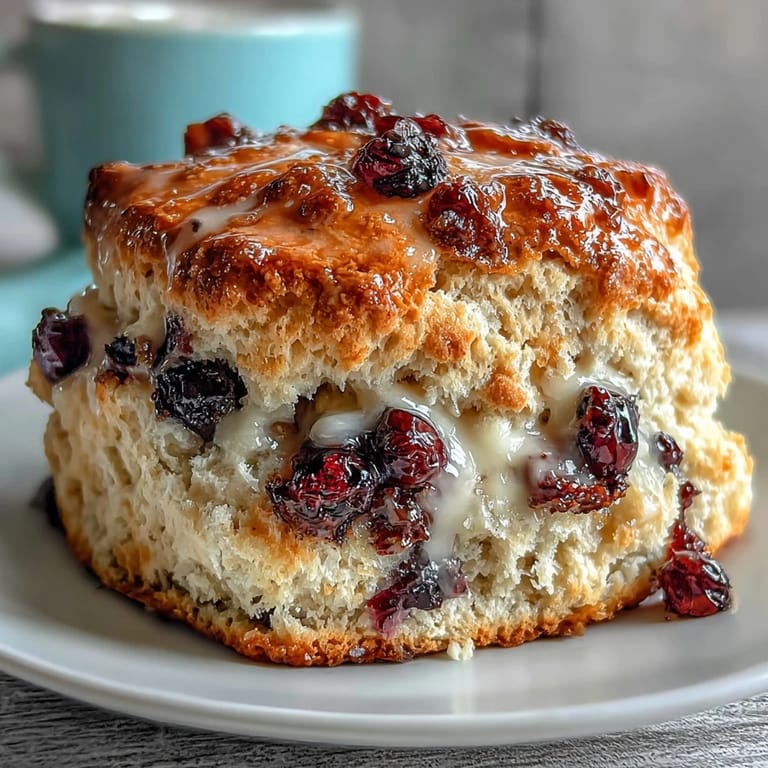
 My sourdough starter was sitting neglected on the counter when my neighbor mentioned she'd been craving a proper British scone. I had just fed my starter that morning, which meant a cup of discard going to waste, and suddenly it clicked—why not fold that tangy, living dough into something golden and warm? The first batch came out tender with pockets of blueberry and a brightness from the lemon that felt unexpected and completely right.
I tested these on a Saturday morning when my partner's parents were stopping by unannounced. I had thirty minutes to pull together something that looked intentional, and these scones came out of the oven just as they walked through the door—the kitchen smelled like butter, lemon, and yeast in the best possible way. My mother-in-law had thirds, which was its own kind of validation.
Ingredients
- All-purpose flour (2 1/4 cups): This is your structure; too much and the scones get dense, too little and they fall apart. Measure by weight if you can, since it's more forgiving than cups.
- Granulated sugar (1/4 cup): Just enough to sweeten without making them dessert—restraint is key here.
- Baking powder (1 tablespoon) and baking soda (1/2 teaspoon): These give you that crucial rise and tender crumb in the short time they're baking.
- Fine sea salt (1/2 teaspoon): This amplifies all the flavors, especially the lemon and the subtle tang from the sourdough.
- Lemon zest (from 1 large lemon): This is where the brightness lives; don't skip it or use bottled juice here.
- Unsalted butter (1/2 cup, cold and cubed): Cold butter creates those tender, flaky layers—this is non-negotiable, so pull it straight from the fridge.
- Sourdough discard (1 cup, unfed, room temperature): This gives you tang and moisture without the long fermentation; use the discard you'd normally toss, not actively bubbling starter.
- Heavy cream (1/4 cup, plus more for brushing): The richness that makes these feel indulgent; can swap for buttermilk if you prefer a lighter touch.
- Egg (1 large): This binds everything and helps the tops turn golden brown.
- Vanilla extract (1 teaspoon): A whisper in the background that rounds out the flavors.
- Freshly squeezed lemon juice (2 tablespoons): The second lemon element that keeps things balanced and prevents the scones from tasting too eggy.
- Fresh blueberries (1 cup): Frozen works beautifully too—there's something about scones and blueberries together that just feels right.
- Coarse sugar (2 tablespoons, optional): This adds a subtle crunch on top that catches light and looks intentional.
Tired of Takeout? 🥡
Get 10 meals you can make faster than delivery arrives. Seriously.
One email. No spam. Unsubscribe anytime.
Instructions
- Heat your oven and prep:
- Get your oven to 400°F and line a baking sheet with parchment paper while you work—this keeps you from scrambling once the dough comes together.
- Mix your dry ingredients:
- Whisk flour, sugar, baking powder, baking soda, salt, and lemon zest in a large bowl, making sure everything is evenly distributed so the leavening agents spread throughout the dough. This step takes a minute and makes all the difference.
- Cut in the cold butter:
- Add your cubed cold butter and use a pastry blender or your fingertips to work it into the flour until it looks like coarse breadcrumbs with some pea-sized pieces still visible. You want these little pockets of fat to create layers; if everything is too smooth, your scones will be dense.
- Combine your wet mixture:
- In a separate bowl, whisk together sourdough discard, cream, egg, vanilla, and lemon juice until smooth and well combined. This is your moisture and binding agent working together.
- Gently bring it together:
- Pour the wet ingredients into the dry and stir until just combined—this is where patience matters most. Overmixing develops gluten, which turns scones tough instead of tender.
- Fold in the blueberries:
- Add your blueberries gently, turning them through the dough with a few careful folds. If you're using frozen, they'll stain less if you don't let them thaw first.
- Shape your scones:
- Turn the dough onto a lightly floured surface and pat it into a 1-inch-thick circle about 7 inches across. Using a bench scraper or sharp knife, cut it into 8 wedges like a pie.
- Arrange and finish:
- Transfer scones to your baking sheet with a little space between each one so they bake evenly, then brush the tops lightly with cream and sprinkle with coarse sugar if using.
- Bake until golden:
- Bake for 18 to 22 minutes until the tops are golden and a toothpick inserted into the center comes out clean. They'll be delicate when warm, so let them rest on the baking sheet for 5 minutes before moving to a wire rack.
 Pin It
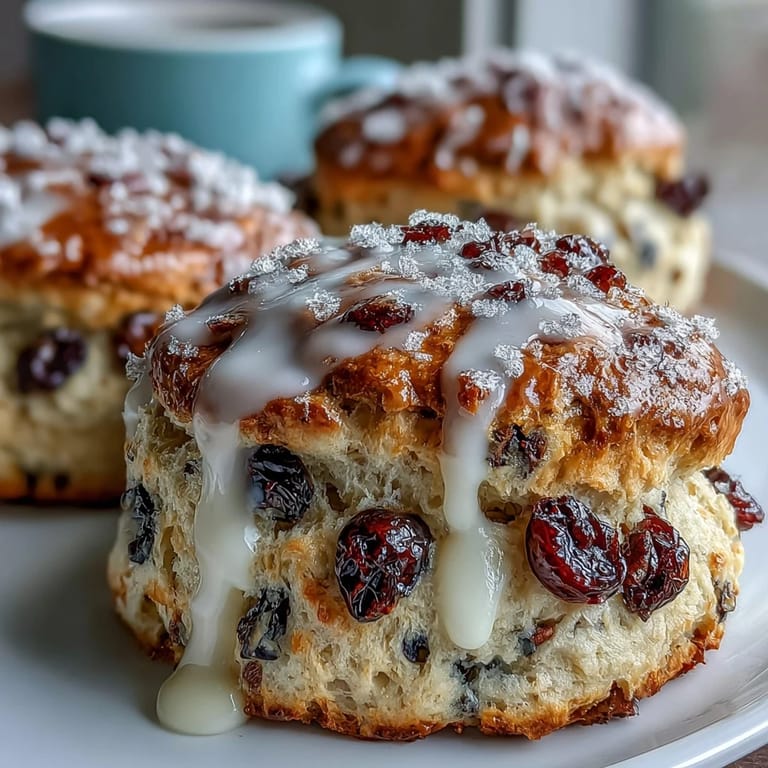
 My favorite moment came when someone at a farmer's market asked if I sold scones and didn't believe me when I said they were made with sourdough discard. There's something special about taking an ingredient most people throw away and turning it into something people actually want to eat.
The Sourdough Discard Secret
Using sourdough discard here is brilliant because it adds moisture and a subtle tang without requiring you to keep a separate sourdough culture alive just for baking. The discard should be unfed and at room temperature—not actively bubbling or freshly fed. If you don't have a starter, you can skip it and use all buttermilk instead, but you'll lose that barely-there complexity that makes people ask what's different about your scones.
Getting the Texture Right
The difference between tender, flaky scones and dense, heavy ones comes down to three things: keeping your butter cold, mixing minimally, and not patting the dough too hard when you shape it. I learned this the hard way by being overzealous one afternoon, and those scones turned into hockey pucks. Now I handle the dough like I'm settling a sleeping baby into a crib—gentle pressure, minimal fussing.
Variations and Storage
These scones feel springtime-fresh as written, but you can absolutely experiment with different add-ins or glazes depending on what you're craving. A simple lemon glaze drizzled on top after cooling adds extra brightness, or try swapping the blueberries for raspberries if you want something slightly tart. Scones keep best in an airtight container for up to two days, and they taste nearly as good reheated gently in a 300°F oven for about five minutes, though fresh is always the ultimate goal.
- If the dough seems sticky, chill it for 10 minutes before shaping—cold dough is much easier to work with.
- Don't brush with cream until just before baking, or the sugar will dissolve instead of staying crystalline on top.
- Pull these out when they're golden but still slightly underbaked in the very center; carryover heat will finish the job and keep them moist.
 Pin It
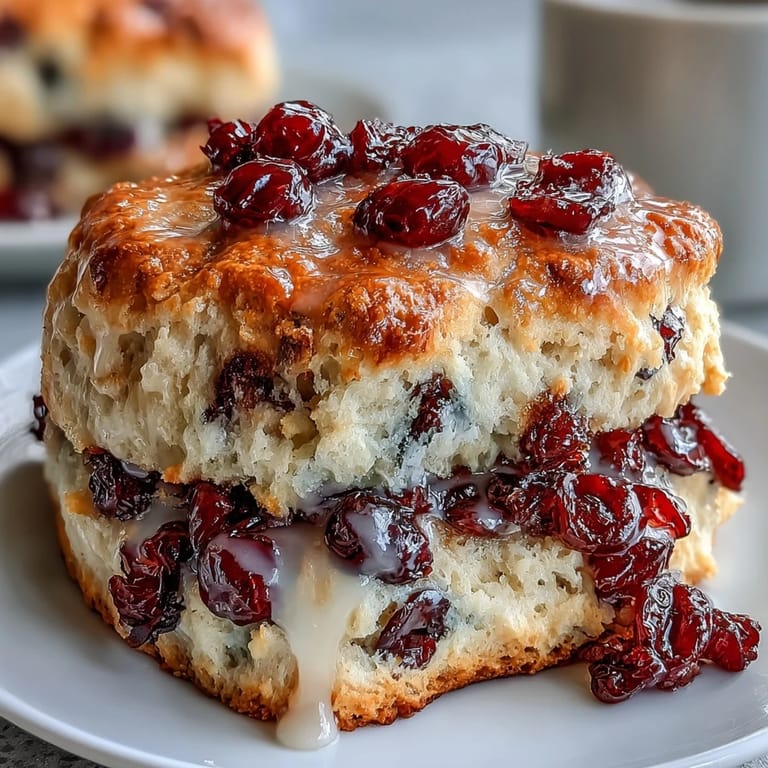
 These scones are the kind of thing that makes people feel cared for without any pretense or fuss. Serve them warm with clotted cream and jam, and watch how quickly they disappear.
Recipe Q&A
- → Can I use frozen blueberries?
Yes, folding frozen blueberries directly into the dough helps prevent color bleeding and maintains texture.
- → What does sourdough add to the texture?
Sourdough discard adds a slight tang and tender crumb, enhancing both flavor and moisture.
- → How do I prevent overmixing the dough?
Stir until dry and wet ingredients just combine to avoid tough scones and preserve flakiness.
- → Can I substitute buttermilk for cream?
Yes, buttermilk can replace cream for a slight tangier flavor and tender texture.
- → What is the best way to store these scones?
Store in an airtight container at room temperature for up to two days to maintain freshness.