 Pin It
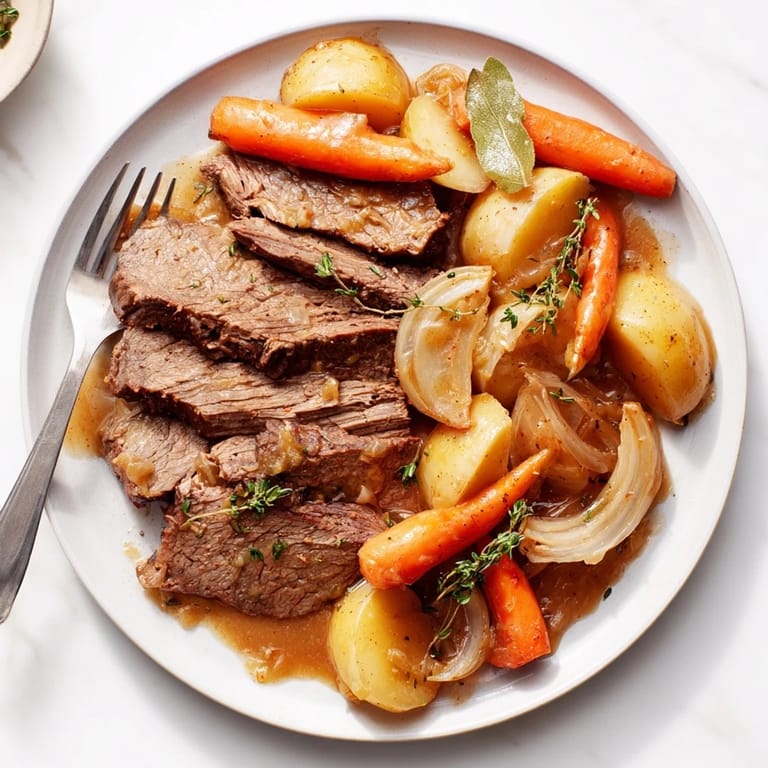
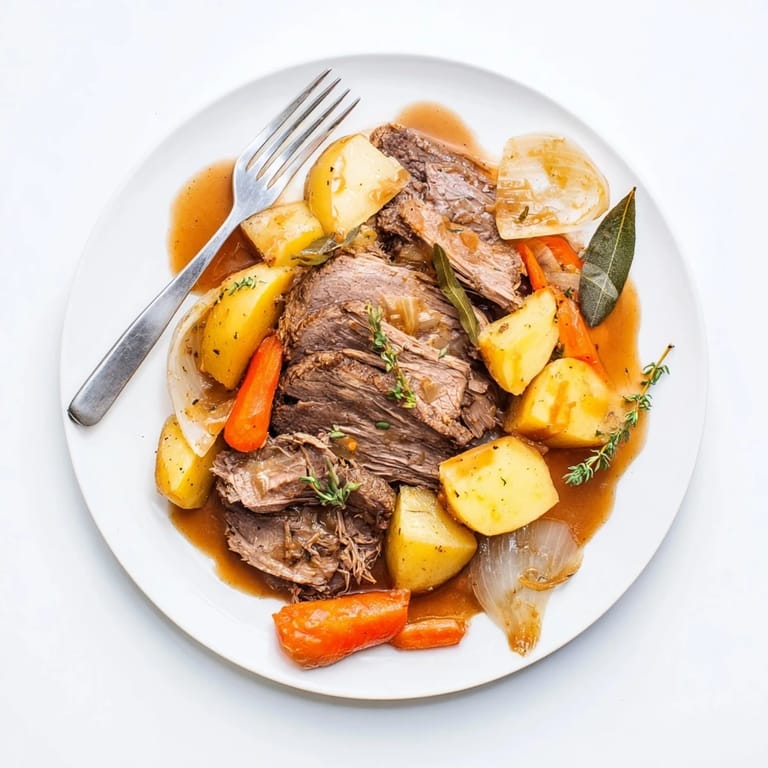
 The first time I made pot roast, it was a gray and drizzly Sunday that just begged for something slow-cooked and comforting. I had picked up a chuck roast without any real plan, trusting that the low oven would work its magic. My tiny apartment filled with the most incredible aroma as the hours ticked by, rich and savory, making it impossible to focus on anything else. When I finally lifted that lid, the beef practically collapsed at the touch of a fork, and I knew this was the kind of cooking I wanted to live for.
Last winter, I made this roast for a gathering of friends who had been hiking all afternoon. The moment they walked through the door, coats still damp from the snow, the smell hit them first. We stood around the Dutch oven with forks, sneaking tastes of the carrots and beef before I could even get everything plated. That night felt like exactly what Sunday suppers were invented for.
Ingredients
- Chuck roast: This cut has excellent marbling that breaks down beautifully during braising, creating that melt-in-your-mouth texture
- Kosher salt and black pepper: Generous seasoning is crucial since the roast is large and we want flavor throughout
- Olive oil: Creates a nice sear and adds those fond bits to the bottom of the pot that become the foundation of your gravy
- Yukon Gold or Russet potatoes: Yukon Golds hold their shape better, while Russets get creamier, so choose based on your texture preference
- Carrots: They become sweet and tender, absorbing the braising liquid as they cook alongside the beef
- Yellow onions: Quartered so they hold together during the long cook time while adding essential sweetness
- Garlic: Smashed cloves release their flavor more readily into the braising liquid
- Beef broth: The backbone of your braising liquid, so use a good quality one you would happily drink on its own
- Dry red wine: Adds depth and complexity, though extra broth works perfectly fine if you prefer not to cook with wine
- Tomato paste: Concentrated umami that enriches the color and flavor of the gravy
- Worcestershire sauce: That secret ingredient that adds subtle depth and savoriness
- Thyme and bay leaves: Classic herbs that pair perfectly with beef without overpowering the dish
- Flour or cornstarch: Essential for thickening the braising liquid into that velvety gravy at the end
Tired of Takeout? 🥡
Get 10 meals you can make faster than delivery arrives. Seriously.
One email. No spam. Unsubscribe anytime.
Instructions
- Preheat your oven:
- 300 degrees is low enough to break down connective tissue without drying out the meat
- Season the beef generously:
- Pat the roast completely dry so it sears properly, then season liberally on all sides with salt and pepper
- Create a beautiful sear:
- Heat the olive oil in your Dutch oven until it shimmers, then brown the roast for four to five minutes per side until it develops a deep caramelized crust
- Build your flavor base:
- Cook the onions and garlic just until fragrant, then stir in the tomato paste and let it cook for a minute to deepen its flavor
- Deglaze the pot:
- Pour in the wine and scrape up all those browned bits from the bottom, then add the broth, Worcestershire, thyme, and bay leaves
- Bring everyone together:
- Return the beef to the pot and nestle the potatoes and carrots around it so everything is submerged in the liquid
- Let the oven do the work:
- Cover tightly and braise for three to three and a half hours, checking occasionally to make sure the liquid maintains a gentle simmer
- Check for tenderness:
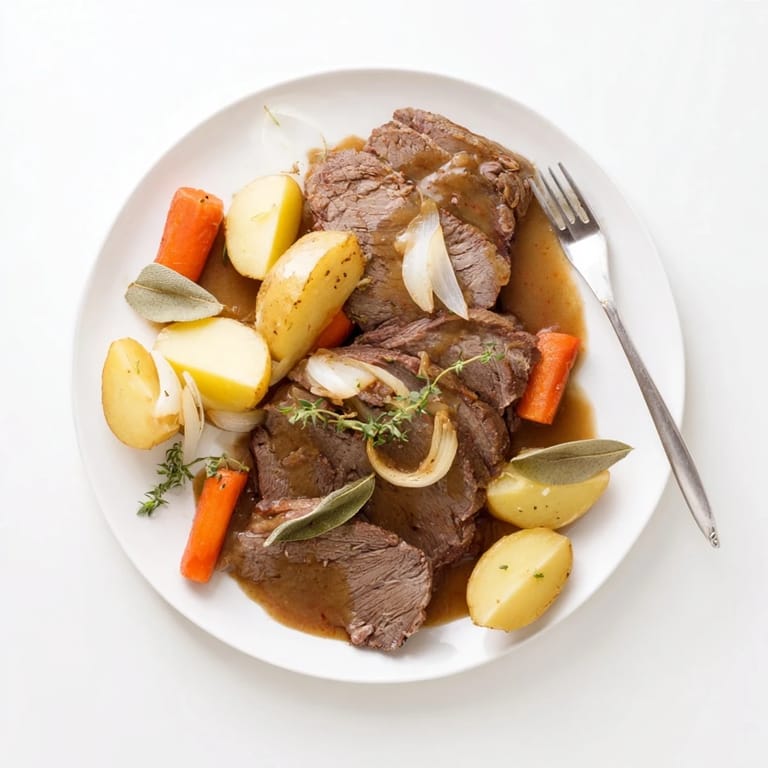
- The beef is done when a fork slides in and out with zero resistance and the vegetables are completely tender
- Make your gravy:
- Whisk the flour and cold water until completely smooth, then stir it into the strained cooking liquid and simmer until thickened
 Pin It
 My grandmother always said pot roast tastes better the second day, and she was absolutely right. The flavors have time to meld and settle into something even more extraordinary. Now I deliberately plan to make this the day before we have guests, or I happily eat leftovers cold from the refrigerator, standing over the sink like nobody is watching.
Choosing The Right Cut
Chuck roast is the gold standard for pot roast because it has enough fat and connective tissue to become meltingly tender after hours of cooking. I once tried using a leaner cut to make it healthier, and the difference was night and day, the beef was tough and stringy instead of falling apart at the touch of a fork.
The Magic Of Braising
Braising is essentially cooking something gently in a small amount of liquid in a covered pot. The steam trapped inside keeps everything moist while the liquid slowly penetrates and tenderizes the meat. It is the technique that transforms tough, inexpensive cuts into something that tastes like you spent a fortune and all day on it.
Making It Your Own
Once you have the basic technique down, pot roast is incredibly forgiving and adaptable. I have added parsnips for extra sweetness, thrown in celery for more aromatic depth, and even stirred in a splash of balsamic at the end for brightness. The method stays the same, but the flavors can shift with whatever you have on hand or whatever mood you are in.
- Celeriac makes a delicious addition alongside the potatoes
- A splash of apple cider vinegar in the gravy brightens everything
- Fresh parsley sprinkled over the top right before serving adds color and freshness
 Pin It
 There is something profoundly satisfying about a meal that cooks itself while you go about your day, filling your home with warmth and the promise of something delicious to come. This pot roast is exactly that kind of cooking, simple and unhurried and absolutely worth every minute of the wait.
Recipe Q&A
- → What cut of beef works best for pot roast?
Chuck roast is the ideal choice because it contains ample connective tissue that breaks down during long, slow cooking, resulting in incredibly tender meat. Look for a well-marbled 3-4 pound roast from the shoulder area.
- → Can I make this on the stovetop instead of the oven?
Yes, you can braise everything on the stovetop over the lowest heat setting. Maintain a gentle simmer and check occasionally to ensure the liquid isn't evaporating too quickly. The cooking time remains roughly the same.
- → What vegetables can I add or substitute?
Parsnips, celery root, or turnips work beautifully alongside the classic potatoes and carrots. Add them in large chunks so they don't disintegrate during the long cooking time. Some cooks also add pearl onions for elegance.
- → Is the red wine necessary?
Red wine adds depth and complexity, but it's optional. Simply replace it with additional beef broth for a non-alcoholic version. The result will still be delicious and satisfying, just with a slightly lighter flavor profile.
- → How do I store and reheat leftovers?
Store cooled beef, vegetables, and gravy in an airtight container for up to four days. Reheat gently on the stovetop with a splash of broth to prevent drying. The flavors often improve after a day or two in the refrigerator.
- → Can I freeze pot roast?
Yes, pot roast freezes exceptionally well. Portion the beef, vegetables, and gravy into freezer-safe containers for up to three months. Thaw overnight in the refrigerator before reheating slowly on the stovetop.