 Pin It
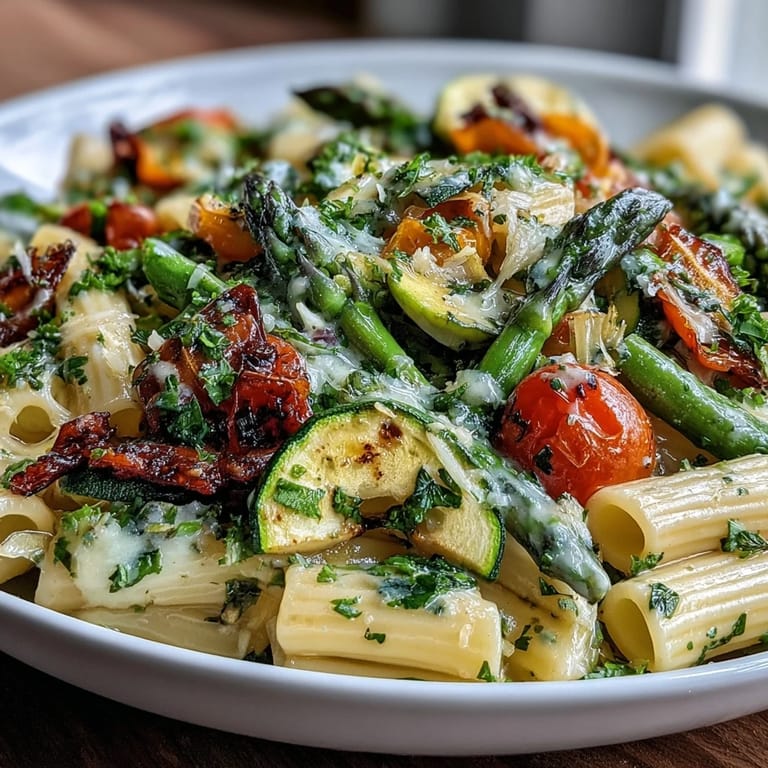
 The first time I made Spring Pasta Primavera, I knew it would be my go-to when the farmers market overflowed with fresh produce. I remember walking home, arms aching from carrying bags of squash and asparagus, and feeling ridiculously proud of my selections. The kitchen was filled with the scent of basil and simmering garlic, and the sound of pasta bubbling gently made it impossible not to smile. My windows were open, letting in a breeze that carried the smell of lemon zest and tomato. Chopping vegetables felt almost meditative—each color pop a little celebration.
One spring evening, my friends dropped by unexpectedly, and I whipped up this primavera with whatever veggies I had on hand. We squeezed around my tiny kitchen table, sharing laughs and pretending we could taste every herb in the sauce. Someone used a colander as a hat, Parmesan ended up everywhere, and yet the meal felt perfect. I realized then that the recipe was flexible enough to host a crowd or just a solo treat. Every time I make it, I remember that impromptu dinner and how it brought my kitchen to life.
Ingredients
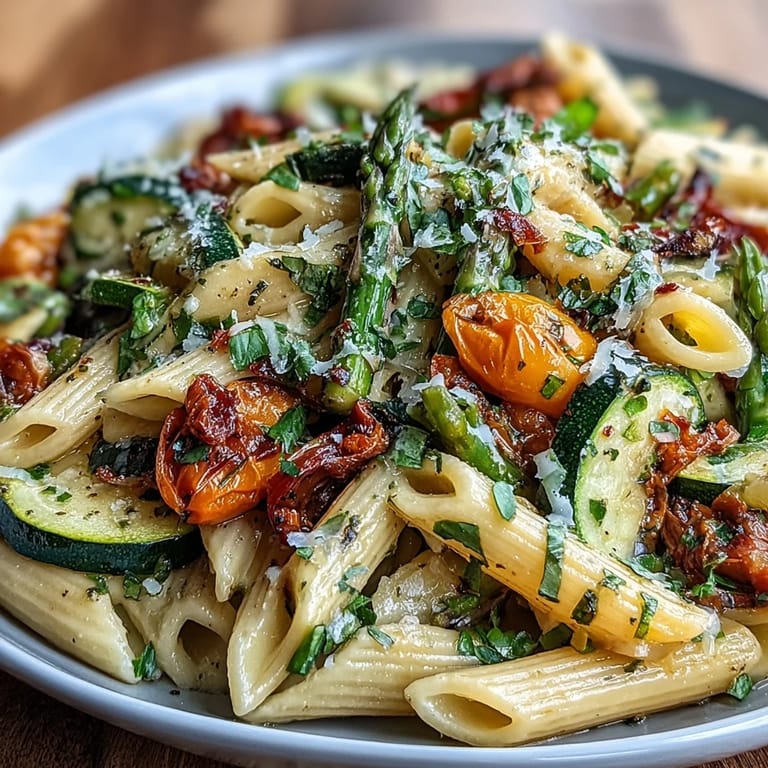
- Pasta: Choosing al dente penne or farfalle gives just the right bite, and it's important to save some cooking water for the sauce to cling beautifully.
- Zucchini and Yellow Squash: These bring tender texture and a mellow sweetness, but make sure not to overcook or they get mushy.
- Asparagus: Snapping the ends off feels oddly satisfying and keeps them crisp and vibrant in the dish.
- Cherry Tomatoes: They burst easily when cooked, creating pops of flavor and juiciness—always halve them so nobody gets a tomato surprise.
- Red Bell Pepper: Its sweetness balances the tangy lemon and savory cheese, and thin slices cook evenly with the other veggies.
- Fresh or Frozen Peas: I use whatever is at hand; they add lovely color and a sweet pop, just toss them in toward the end.
- Garlic and Shallot: These build the aromatic foundation for the whole dish—don't rush their sauté or you'll miss the magic.
- Fresh Basil and Parsley: Spreading these over the pasta right at the end lifts everything with herbal brightness.
- Lemon Zest and Juice: The zest brings a fragrant zing, and the juice keeps the sauce fresh and lively.
- Extra-Virgin Olive Oil: Use the good stuff, and save a drizzle for finishing—the flavor shines.
- Parmesan Cheese: Salty, nutty, and the glue that binds it all—always taste to see if you need more.
- Salt, Pepper, Red Pepper Flakes: Season as you go; a pinch of flakes turns up the volume without overpowering.
Tired of Takeout? 🥡
Get 10 meals you can make faster than delivery arrives. Seriously.
One email. No spam. Unsubscribe anytime.
Instructions
- Boil the Pasta:
- Fill your largest pot with water, salt generously, and watch the bubbles roll—cook pasta until it's cute and firm. Before draining, reserve a little water for the sauce, then set the pasta aside.
- Sauté Aromatics:
- Warm olive oil in the skillet and drop in shallots and garlic; the sizzle and scent mean you're on track. Stir gently, letting them soften and perfume the kitchen.
- Add Spring Veggies:
- Toss in zucchini, squash, asparagus, and bell pepper—hear the gentle hiss as veggies meet the heat. Stir and sauté until colors are vivid and their texture is just tender, not limp.
- Mix in Tomatoes & Peas:
- Add cherry tomatoes and peas; they give a final splash of color and extra sweetness. Wait as tomatoes begin to soften and juices mingle in the pan.
- Combine Pasta and Vegetables:
- Add cooked pasta straight into the skillet and stir everything gently—look for shiny, even coating. Don't stress about stray peas, just toss them back in.
- Finish with Herbs and Lemon:
- Pasta water, lemon zest, juice, basil, and parsley go in now; drizzle remaining olive oil and season generously. The sauce should shimmer and smell impossibly fresh.
- Add Parmesan and Serve:
- Remove from heat, scatter in Parmesan, and fold to melt cheese and blend flavors. Serve warm, topped with extra herbs and a shower of Parmesan if you want more.
 Pin It
 The night I first served this pasta at a little backyard party, I watched everyone's plates empty faster than I could refill the wine glasses. People started dipping crusty bread in the leftover sauce, scooping up every bit of flavor. A neighbor asked if I was Italian, and I laughed, feeling that food, not ancestry, made the moment special. That dinner brought a shared sense of springtime joy to the group. Primavera became my marker for gatherings when I wanted something vibrant and heartwarming.
Getting Your Veggies Just Right
The veggies shouldn't tumble in all at once—timing is everything to preserve their color and crunch. I learned to cook squash and asparagus first so they stay bright and tender. Cherry tomatoes and peas are always last because they breakdown quickly. Stirring gently keeps peas from rolling out of the skillet and onto the floor (trust me on that). If you go for frozen peas, toss them in straight from the freezer; they'll warm up perfectly.
Herbs, Zest, and Perfection
Fresh basil and parsley transform the dish from good to glorious, so chop them just before you toss them in. I once switched basil for mint—unexpectedly delicious on a hot day and it worked with the lemon. Lemon zest is best added at the very end for flavor without bitterness. The fragrance lifts the mood in the kitchen. Even just a little zest can make the whole meal taste like spring after rain.
Serving Suggestions & Last Touches
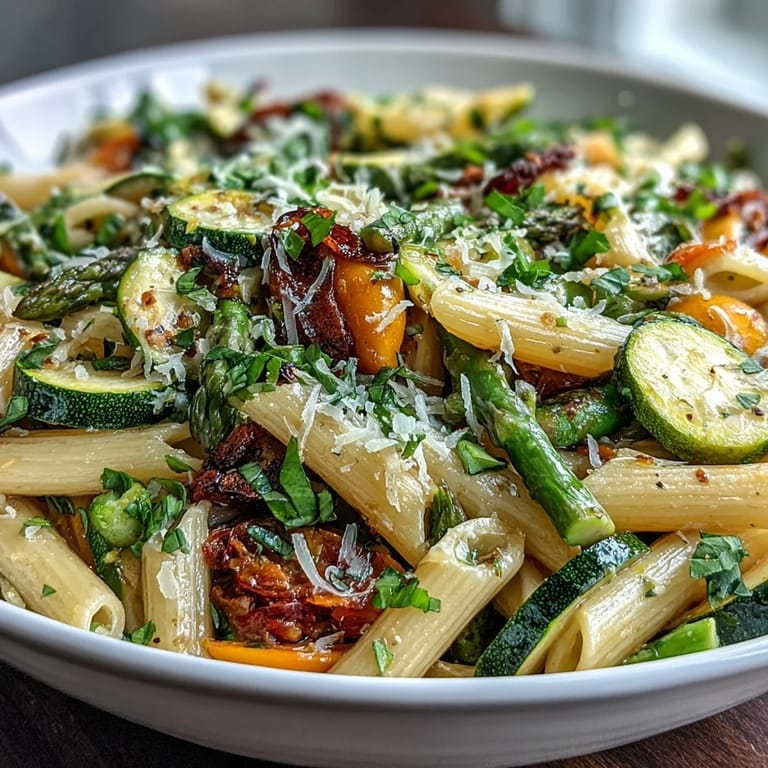
Pairing this pasta with a fresh glass of white wine elevates the meal and brings out the tangy flavors. Don't skip a little extra Parmesan on top; it adds just the right savory kick. A big handful of chopped herbs for garnishing makes the dish look festive and inviting.
- A squeeze of lemon at the table is a game-changer.
- Let guests serve themselves—they'll scoop up every bit.
- If leftovers survive, they're perfect for lunch—just add a splash of olive oil before reheating.
 Pin It
 Every bowl of Spring Pasta Primavera feels like a mini celebration of what's fresh and beautiful. Enjoy it with friends or savor solo—the colors and flavors always lift the mood.
Recipe Q&A
- → What type of pasta works best?
Penne or farfalle are ideal, but any short pasta shape holds the veggies and sauce well.
- → Can I substitute vegetables?
Yes, swap in snap peas, baby spinach, or any spring produce you prefer for added variety.
- → How do I make it vegan?
Simply omit Parmesan or use a plant-based cheese alternative to keep the dish dairy-free.
- → What herbs complement the dish?
Fresh basil, parsley, and a touch of lemon zest bring bright, aromatic notes to the pasta.
- → What wine pairs with it?
A crisp Pinot Grigio or Sauvignon Blanc balances the freshness and light flavors perfectly.
- → Is this main easy to prepare?
Yes, the steps are simple and quick, ideal for an easy weeknight Italian meal.