 Pin It
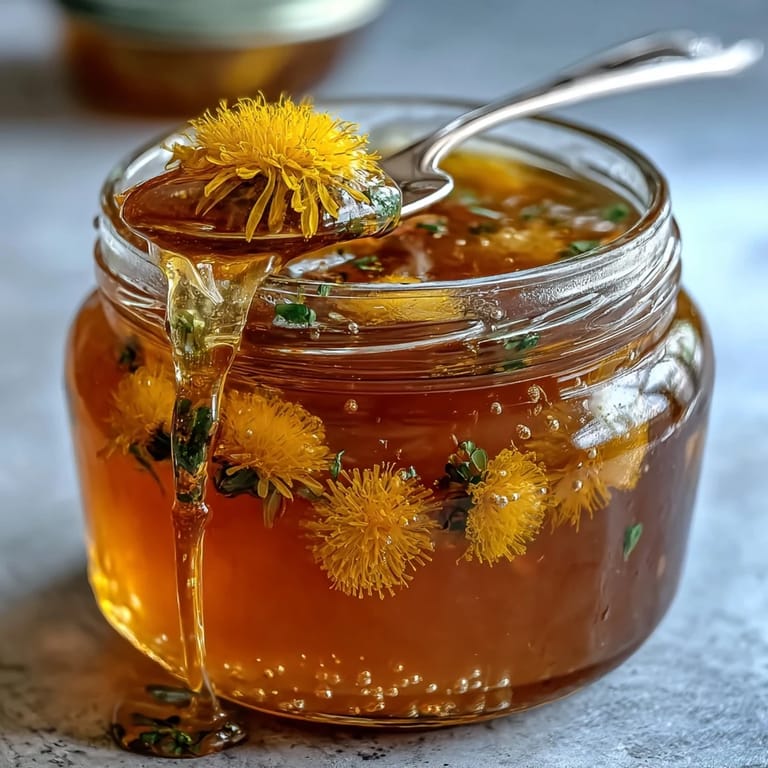
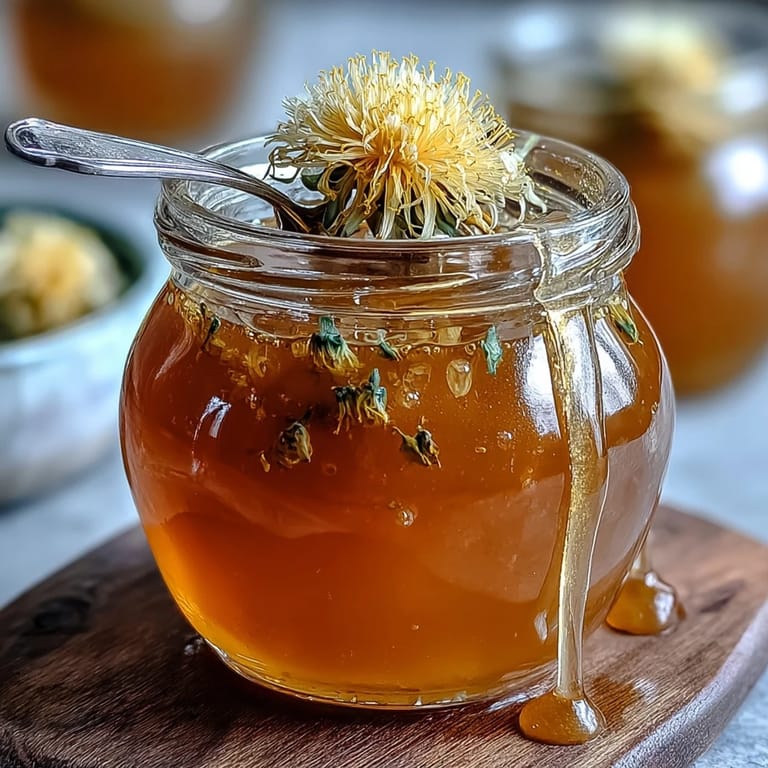
 The first time I made dandelion jelly, I didn't set out to be adventurous–it just happened while tidying up my backyard on a sunny afternoon. The neighbors’ laughter drifted over the fence as I knelt, picking what most people see as wild weeds. The earthy scent and the vibrant yellow of the petals made me pause, wondering if transforming them into something sweet was wishful thinking or genius. Tinkering in the kitchen that day felt oddly thrilling. The promise of a floral, honey-like spread dancing in my head was motivation enough to keep going.
One evening, as the dandelion jelly cooled, I found myself calling my sister to taste-test. She eyed the golden jars suspiciously but came around after the first spoonful, laughing at how something pulled from the lawn could taste so elegant. We spent the rest of the night swapping ideas for how to use the jelly, from swirling it into yogurt to filling thumbprint cookies. Sharing it became as much fun as making it. Afterward, I realized even the simplest homegrown projects can spark real joy.
Ingredients
- Dandelion Petals: Only use the yellow parts for the best color and flavor–green bits can make the jelly bitter, so take your time picking them out.
- Water: Tap or filtered works, and steeping the petals longer makes the aroma stronger (overnight is worth it).
- Lemon Juice: Fresh or bottled both work, but fresh brightens the taste and keeps the jelly from being too sweet.
- Powdered Fruit Pectin: Ensures a good set; one box is enough, but if you tweak it, don’t skimp since under-setting is a common pitfall.
- Granulated Sugar: Adds body and sweetness; measure carefully so the jelly isn’t runny or too firm.
Tired of Takeout? 🥡
Get 10 meals you can make faster than delivery arrives. Seriously.
One email. No spam. Unsubscribe anytime.
Instructions
- Prepare the Dandelion Petals:
- Rinse the blossoms well, and pluck the yellow petals carefully, leaving behind as much green as possible so your jelly tastes clean and floral.
- Steep and Strain:
- Boil water, add petals, and be patient–steeping for several hours lets the flavor shine. When straining, use a cheesecloth and squeeze gently so you don’t cloud the liquid with debris.
- Cook the Jelly:
- Pour the strained tea into a saucepan, stir in lemon juice and pectin, then boil; listen for bubbles and stir constantly so nothing sticks. Add sugar all at once, keep the mix moving, and boil hard until the foam rises–then remove and skim it before jarring.
- Jar and Process:
- Fill hot jelly into sterilized jars, leaving a little space at the top. Wipe the rims clean, seal, and process in boiling water, or simply refrigerate if you’re eating it soon.
 Pin It
 One spring, a friend stopped by during my jelly-making marathon, and we ended up sharing a jar straight from the cooling rack with little spoons right there in the kitchen. It wasn’t planned, but the mellow floral taste paired with her laughter made it feel like a little piece of sunshine on a gray day. Suddenly, the jar meant more than its contents–it became a memory that stuck with both of us.
Choosing the Best Dandelions
If you ever doubted your backyard’s contribution to your pantry, try this. Picking early morning flowers–when their petals are fully open and free of dew–results in a brighter, fresher jelly. Always avoid dandelions from sprayed parks or where pets roam. Taking the time to select only vibrant blossoms elevates the end flavor and color.
Steeping and Straining Secrets
Letting the petals steep overnight creates a stronger aroma and a deeper yellow hue. When straining, I found pressing gently with a wooden spoon nets the most liquid without squeezing any bitterness from stray greens. Straining patiently is worth the tiny effort for a clear, pretty result. Sometimes, this step feels meditative and sets the mood for the rest of the cooking.
Troubleshooting Set and Flavor
If your jelly doesn’t set after cooling, don’t panic–reboiling with a bit more pectin fixes most mishaps. Tasting as you go lets you tweak sweetness or citrus before jarring, and it’s perfectly fine to use bottled lemon juice if you’re short on fresh. Keeping notes each batch helps refine your process for future jars.
- Don’t discard loose jelly–rebatch it instead.
- Try a spoon test before jar-filling for peace of mind.
- Always double-check labels if allergies are a concern.
 Pin It
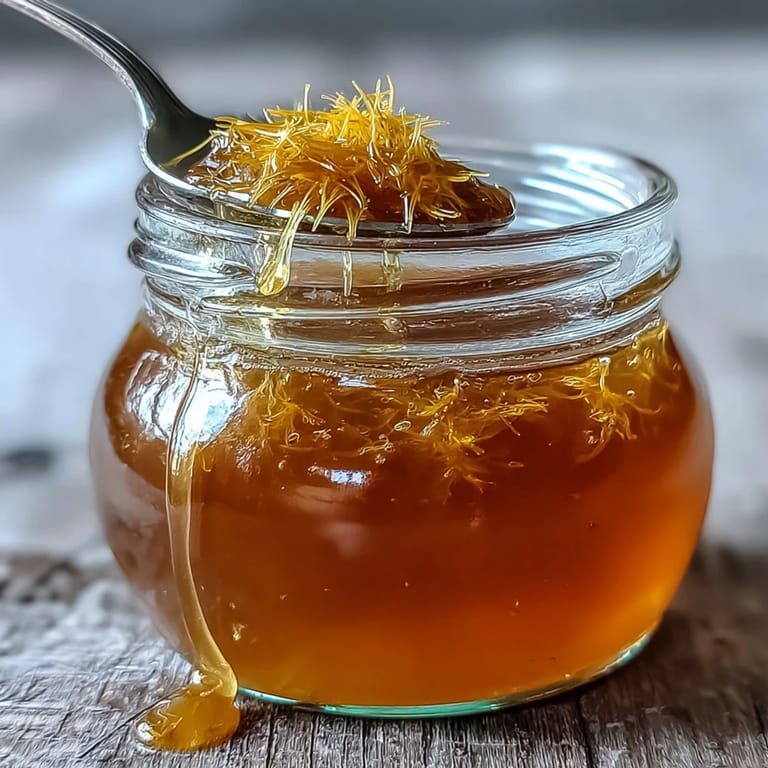
 Homemade dandelion jelly is both a sweet reward and a quiet celebration of nature. Give yourself time to enjoy the process–and savor the bright, floral flavor when you finally spread it on warm bread.
Recipe Q&A
- → What part of the dandelion is used?
Only the yellow petals are used, avoiding green parts to reduce bitterness.
- → How long should petals steep?
Petals steep in boiling water for 4 hours, or overnight for a stronger floral flavor.
- → What gives the jelly its structure?
Powdered fruit pectin is added to form the jelly's texture.
- → How is dandelion jelly stored?
Store in sterilized jars, sealed and processed in a boiling water bath for long-term keeping.
- → Can I add extra flavors?
Try orange zest with lemon juice for a citrus twist.
- → Is dandelion jelly suitable for special diets?
It is vegetarian, gluten-free, and contains no common allergens.