 Pin It
 There's something about October that makes me crave this soup—not because it's on a list somewhere, but because my neighbor showed up at my door with a bag of butternut squash from her garden, and I had exactly two apples sitting on the counter getting soft. That afternoon, my kitchen filled with this warm, almost caramel-like smell, and I realized I'd stumbled onto something that tastes like autumn feels. Now I make it whenever I need comfort without fuss.
I served this soup at a dinner party once, and my friend who claims she doesn't like squash asked for the recipe before dessert. That moment—watching skepticism turn into a second bowl—taught me that sometimes the right combination of simple things can change someone's mind about what they think they like.
Ingredients
- 1 medium butternut squash (about 2 lbs), peeled, seeded, and cubed: The star here—its natural sweetness is what makes this soup taste like it took hours. Cutting it raw takes a sharp knife and patience, but it's worth it over roasting first.
- 2 medium apples (such as Granny Smith or Honeycrisp), peeled, cored, and chopped: Granny Smith adds tartness that balances the richness, while Honeycrisp brings more honey-like sweetness—pick based on your mood.
- 1 medium onion, diced: This builds the flavor foundation; don't skip it even though it disappears into the puree.
- 2 cloves garlic, minced: Just enough to add depth without announcing itself.
- 4 cups vegetable broth (gluten-free if needed): Use something you'd actually drink on its own—it matters.
- 1/2 cup apple cider or apple juice: This brightens everything and adds a subtle tang that makes people wonder what the secret is.
- 2 tbsp olive oil: For sautéing your aromatics into submission.
- 1/2 tsp ground cinnamon: The spice that ties the whole thing together—ground cinnamon matters more than you'd think.
- 1/4 tsp ground nutmeg: A whisper of warmth; too much and it tastes medicinal.
- 1/2 tsp salt, or to taste: Essential for waking up all those flavors.
- 1/4 tsp black pepper: Freshly ground if you have it.
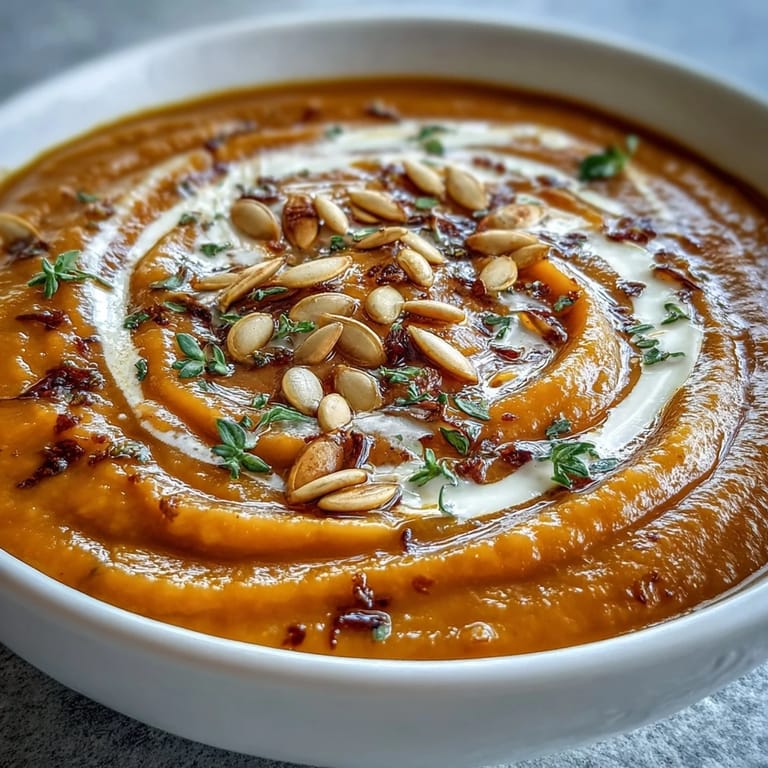
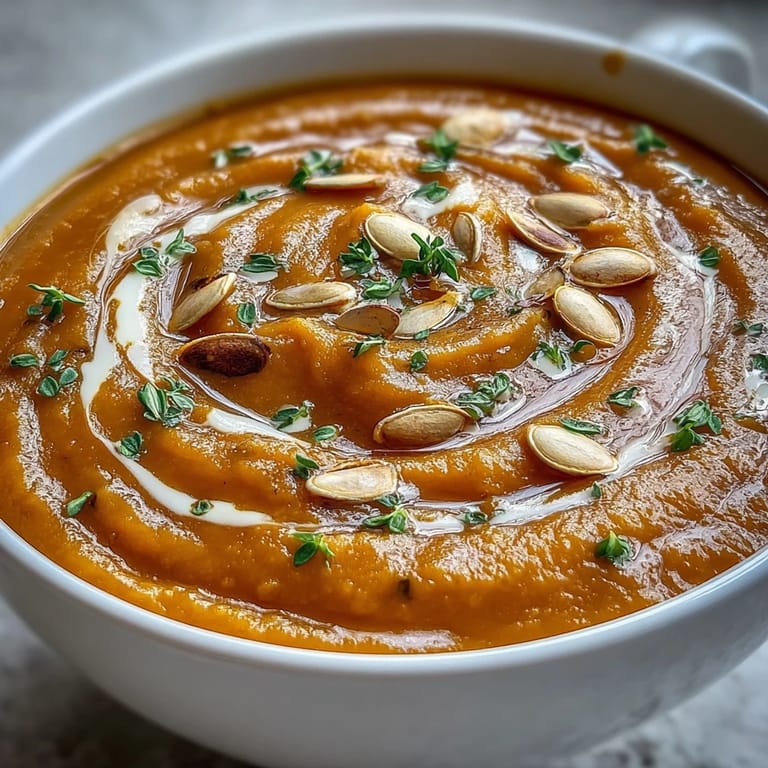
- 1/4 cup heavy cream or coconut cream (optional, for swirling): The finishing touch that makes it feel indulgent, but honestly the soup is already creamy without it.
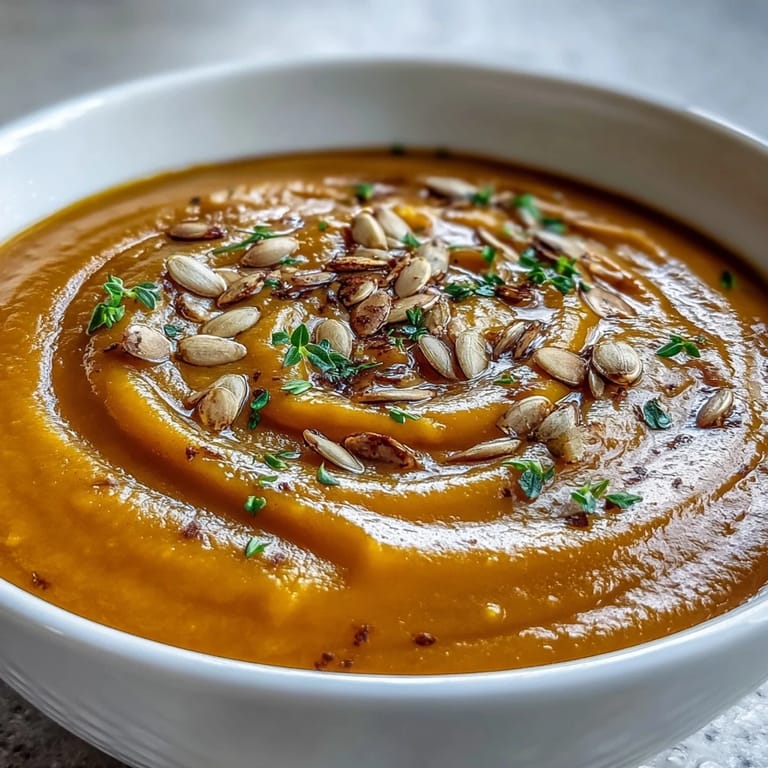
- Toasted pumpkin seeds or fresh thyme (optional): A garnish that adds texture and makes presentation feel intentional.
Tired of Takeout? 🥡
Get 10 meals you can make faster than delivery arrives. Seriously.
One email. No spam. Unsubscribe anytime.
Instructions
- Heat and soften your base:
- Pour olive oil into a large pot and let it warm over medium heat until it shimmers slightly. Add your diced onion and garlic, stirring occasionally until the onion turns translucent and starts smelling sweet—this takes about 3 minutes and is the moment when you know you're on the right track.
- Introduce the main players:
- Add your cubed butternut squash and chopped apples, stirring them into the aromatic base. Let them cook for about 5 minutes, stirring occasionally so they get lightly caramelized at the edges and start releasing their moisture.
- Build warmth with spices:
- Sprinkle in the cinnamon, nutmeg, salt, and black pepper, stirring constantly so the spices coat everything evenly and toast slightly in the oil. This 30-second moment transforms raw spices into something that smells like home.
- Simmer into tenderness:
- Pour in your vegetable broth and apple cider, then bring everything to a boil—you'll see it bubble up suddenly. Reduce the heat, cover the pot, and let it simmer gently for 25 to 30 minutes until the squash and apples fall apart when you touch them with a spoon.
- Blend into velvet:
- Remove the pot from heat and let it cool for just a minute—this prevents burns and splatters. Using an immersion blender, puree the soup directly in the pot, moving the blender around to catch all the chunks, until everything is smooth and creamy. If you're using a countertop blender, work in batches and be careful with hot liquid.
- Taste and adjust:
- Sip a spoonful and notice what it needs—more salt brightens everything, more pepper adds bite, and a pinch of cinnamon can deepen the flavor if it tastes one-dimensional.
- Serve with ceremony:
- Ladle the soup into bowls and, if you're using cream, drizzle it in a swirl across the top. Add a sprinkle of toasted pumpkin seeds or a few fresh thyme leaves for color and crunch.
 Pin It
 The first time I made this for my sister when she was going through a rough patch, she didn't talk much while eating it—she just sat at my kitchen counter with a bowl and seemed to relax. That's when I understood that sometimes feeding people isn't about impressing them; it's about showing up with something warm and thoughtful.
Why Butternut Squash and Apples Work Together
Butternut squash has this dense, almost buttery sweetness that can feel one-note on its own, but apples cut through with brightness and natural acidity that makes your mouth water. Together, they're like a conversation where each one helps the other say something more interesting. The spices—cinnamon and nutmeg—are the bridge that ties them together, which is why they matter more than you might think.
Timing and Make-Ahead Wisdom
This soup is one of those dishes that actually improves after a day or two in the fridge as the flavors get to know each other better. I've made it on Sunday and eaten it for three days, and day two always tastes deeper than day one. You can also freeze it in portions for up to three months, which means you can bottle autumn and open it in January when you need it most.
Variations That Keep It Interesting
Once you understand the basic formula, you can play with it—swap the apples for pears if you find them, add a pinch of cayenne if you want heat, or throw in fresh ginger if you're feeling adventurous. I've also made it with coconut cream and turmeric for a completely different mood, which proves this soup is less a rigid recipe and more a starting point. The beauty is that it's forgiving enough to bend to what you have on hand.
- Add cayenne pepper or fresh grated ginger if you want a subtle kick that warms you from the inside.
- Serve alongside crusty bread, a simple green salad, or grilled cheese for a complete meal that feels effortless.
- If you're making it for guests, you can prepare everything up to the blending step in the morning, then finish it just before serving.
 Pin It
 This soup reminds me that some of the most comforting things come from combining what you have with a little patience and the right balance of flavors. Make it, share it, and watch how it brings people back to the table.
Recipe Q&A
- → What type of apples work best for this soup?
Granny Smith or Honeycrisp apples are ideal as they provide a nice balance of tartness and sweetness that complements the butternut squash without becoming overly sweet when cooked.
- → Can I make this soup ahead of time?
Yes, this soup stores beautifully. Refrigerate in an airtight container for up to 4 days or freeze for up to 3 months. Reheat gently on the stovetop, adding a splash of broth if needed to adjust consistency.
- → How do I make this soup vegan?
The base soup is already vegan-friendly. Simply use coconut cream instead of heavy cream for garnishing, and ensure your vegetable broth is vegan-certified.
- → Can I roast the squash instead of boiling it?
Absolutely! Roasting the butternut squash and apples at 400°F for 25-30 minutes before adding to the pot will deepen the flavors and add a subtle caramelized sweetness to the soup.
- → What can I serve alongside this soup?
This soup pairs wonderfully with crusty artisan bread, a fresh green salad, or grilled cheese sandwiches. For a heartier meal, serve with a grain salad or roasted vegetable platter.
- → Do I need an immersion blender?
While an immersion blender is convenient, a regular countertop blender works perfectly. Just blend in batches, being careful with hot liquid, and leave the lid slightly vented to prevent pressure buildup.